
Shop drafting pencils and leads for technical drawing, engineering, architecture, sketching, drafting, and design applications. From precision mechanical drafting pencils to traditional woodcase drawing pencils, graphite leads, lead holders, sharpeners, and accessories, these tools help create accurate lines, controlled shading, and consistent drawing performance for students and professionals alike.
Filter By
Products List
- Product
- Qty in Cart
- Quantity
- Price
- Subtotal











Types of Drafting Pencils & Leads
Drafting pencils and leads are used for precise line work, sketching, technical drawing, rendering, geometry, and manual drafting. This category includes mechanical drafting pencils, lead holders, woodcase drawing pencils, graphite lead refills, colored drafting pencils, blueprint marking pencils, lead pointers, sharpeners, and pencil accessories for students, artists, architects, engineers, and drafting professionals.
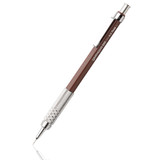
- Mechanical Drafting Pencils: Create consistent line widths for technical drawings, engineering layouts, architectural plans, and detail work
- Lead Holders: Use thicker drafting leads for sketching, shading, layout work, and traditional manual drawing applications
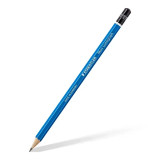
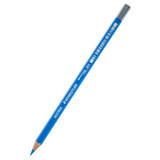
- Woodcase Drawing Pencils: Provide graphite grades for sketching, rendering, drafting, and technical illustration
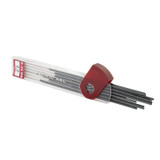
- Graphite Lead Refills: Replace mechanical pencil and lead holder graphite in different lead sizes and hardness grades
- Blueprint Marking Pencils: Mark blueprints, vellum, tracing paper, drafting film, and other technical drawing media
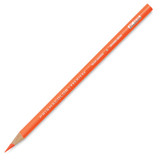
- Colored Drafting Pencils: Add color coding, layout notes, corrections, emphasis, and illustration detail to drawings and plans
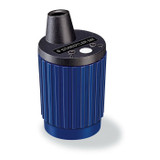
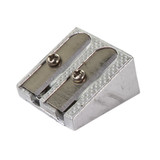
- Lead Pointers & Sharpeners: Maintain clean points for accurate line work, detailed layouts, and consistent drafting performance
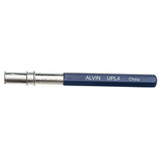
- Pencil Accessories: Include pencil lengtheners, replacement erasers, clips, caps, and related accessories for drawing and drafting use
Understanding Lead Sizes & Lead Grades
Lead size and lead hardness both affect how a drafting pencil performs. Fine mechanical pencil leads are useful for precise details, dimension lines, lettering, and technical layouts, while larger leads and lead holders give more flexibility for sketching, shading, layout lines, and heavier drawing work.
Harder graphite grades create lighter, cleaner lines that are useful for construction lines and precision drafting. Softer graphite grades create darker marks and smoother shading, making them helpful for sketching, rendering, and design presentation work.
Choosing the Right Drafting Pencil
When selecting a drafting pencil, consider the lead size, graphite grade, grip style, and type of work being performed. Mechanical drafting pencils are a strong choice when consistent line width is important, while lead holders and woodcase drawing pencils are better suited for users who want more control over point shape, line weight, and shading.
Many architects, engineers, designers, artists, and students keep several pencil types available so they can switch between fine technical lines, darker layout marks, sketching, and finished presentation work.
Complete Your Drafting Workspace
Pair drafting pencils and leads with related drafting tools and drawing supplies to create accurate layouts, sketches, technical drawings, and professional drafting projects.
Shop Erasers & Correction | Shop Drafting Triangles | Shop Drafting Templates | Shop Technical Pens | Shop Drafting Paper
