

-
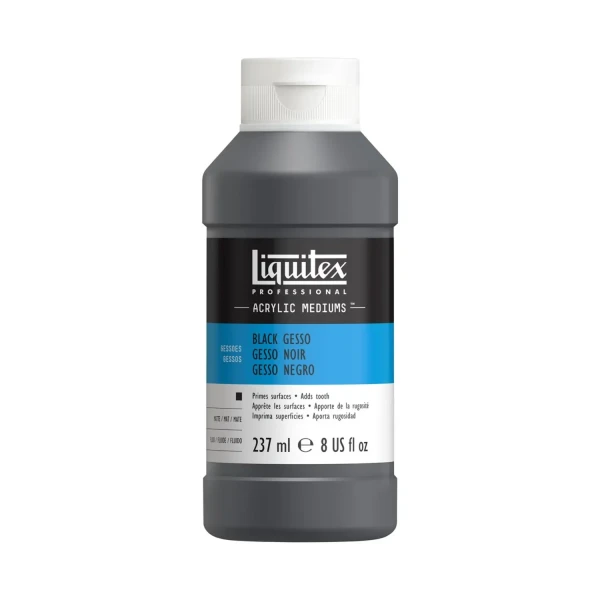
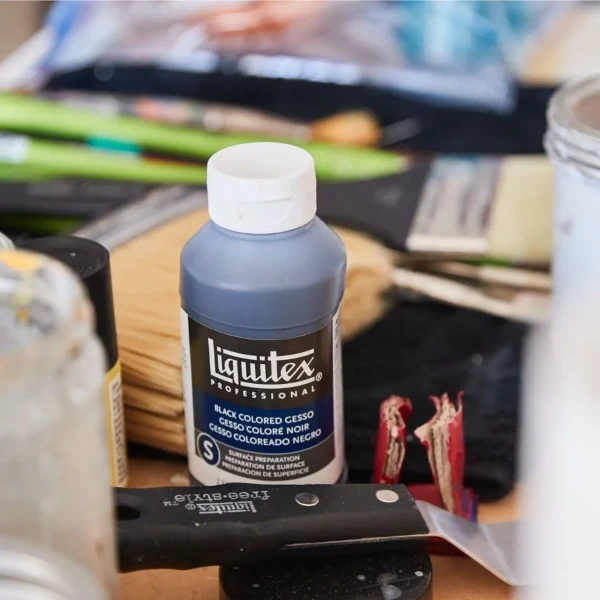
Black Gesso - 8 oz
Liquitex$12.95Black gesso gives you a fully opaque, matte black base that wipes out whatever color or texture is underneath it, so you are starting from a clean slate. That makes it useful for models where you... -

White Gesso - 16oz
Liquitex$20.75Gesso is the go-to surface prep for architectural models that need a smooth, paintable base. It seals porous materials like museum board, wood, and foam board, and gives the surface enough tooth for... -

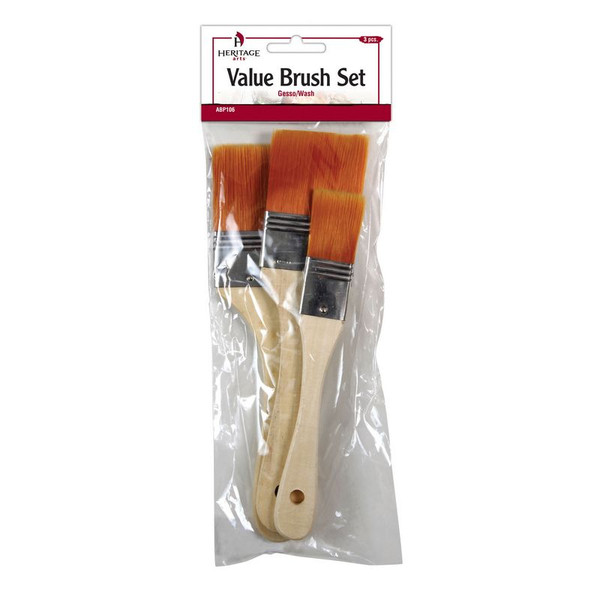
Value Brush Set - Gesso/Basecoat
Alvin & Co.$8.90This Gesso/Baseboat value brush set contains 3 pieces golden taklon: flats 1", 2", 3"
Description
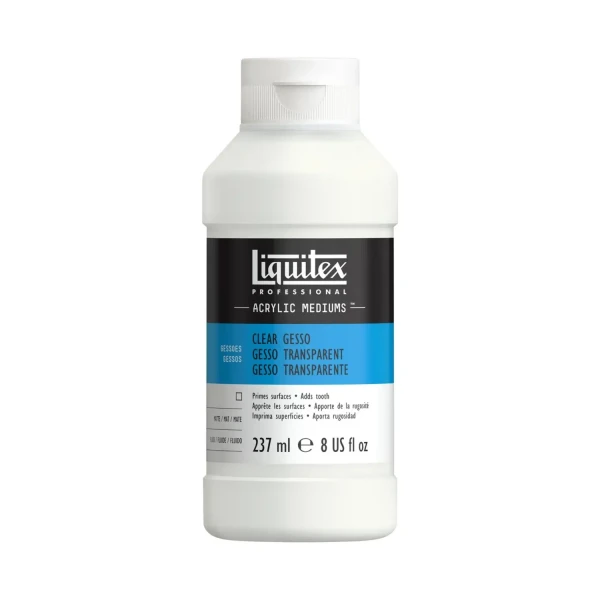
Clear gesso gives you the same priming benefits as standard gesso, without covering up the surface underneath. It adds tooth for strong paint or ink adhesion while leaving a transparent matte finish, so the natural texture and color of the wood, board, or paper still shows through. That makes it a strong choice for models where the base material itself is part of the finished look.
Because it is a true archival-grade gesso, it holds up over time instead of flaking or separating from the surface the way cheaper grounds can. On a model meant to last for display, presentation, or a portfolio, that stability matters.
- Primes surfaces while keeping them visible underneath
- Adds tooth for paint, ink, charcoal, or pencil work
- Stiffens thin materials and evens out absorbency before painting
- Provides a stable, long-lasting base coat
How to Use
Apply undiluted, or thin with up to 25 percent water. For anything thinner than that, mix in Liquitex Matte Medium along with the water to keep the gesso stable.
Sand hard or shiny surfaces first so the gesso has something to grip. Apply a thin coat with a wide, flat brush, and avoid overworking it with repeated brushing. Let it dry a full 24 hours before painting.
For a smoother finish, sand the dried gesso and apply a second coat. If you are building a base for oils, plan on 2 to 4 coats, sanding between each one.
To add a subtle tint while keeping the surface partially visible, mix in a transparent or semi-opaque acrylic color. Soft Body Acrylic blends in at the best consistency for this.
