


-
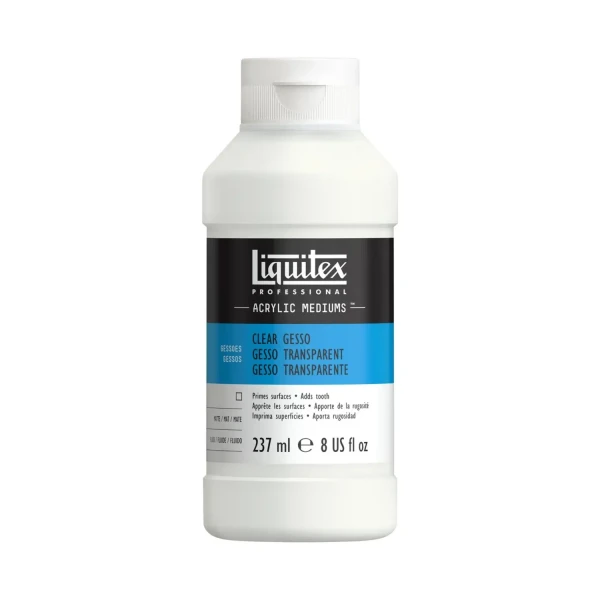
Clear Gesso - 8 oz.
Liquitex$12.75Clear gesso gives you the same priming benefits as standard gesso, without covering up the surface underneath. It adds tooth for strong paint or ink adhesion while leaving a transparent matte finish,... -
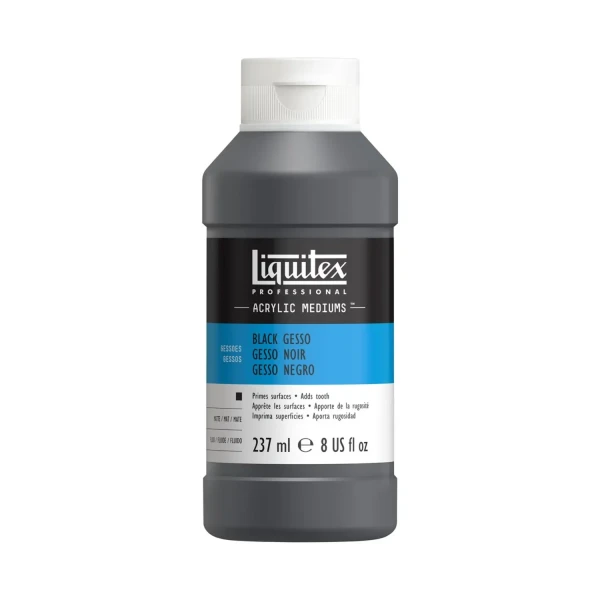
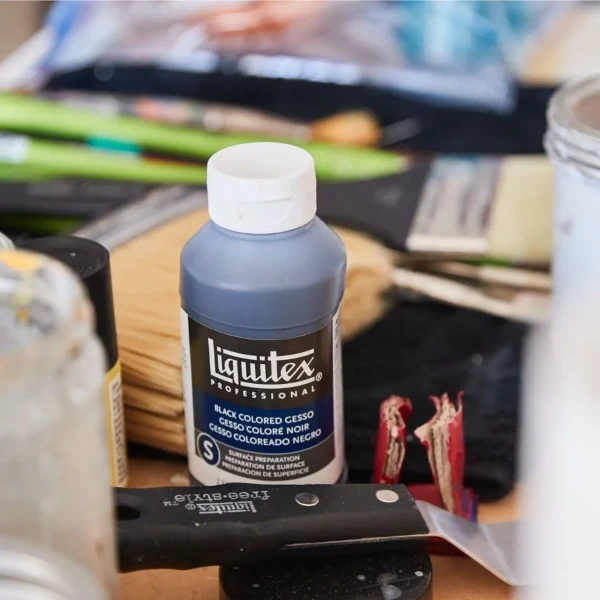
Black Gesso - 8 oz
Liquitex$12.95Black gesso gives you a fully opaque, matte black base that wipes out whatever color or texture is underneath it, so you are starting from a clean slate. That makes it useful for models where you... -

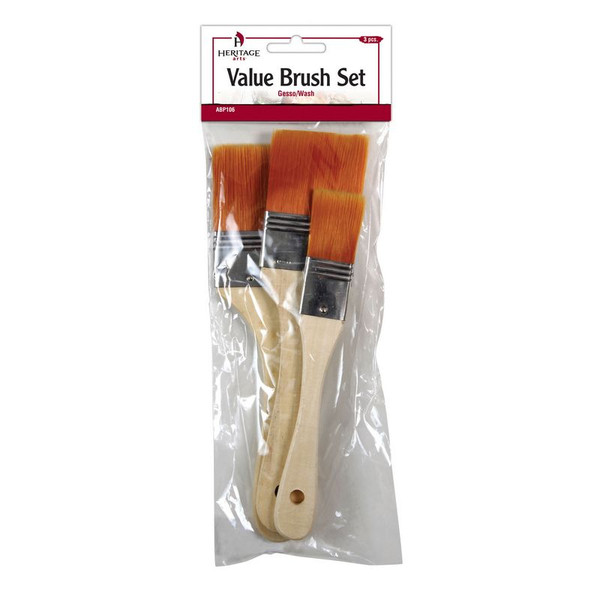
Value Brush Set - Gesso/Basecoat
Alvin & Co.$8.90This Gesso/Baseboat value brush set contains 3 pieces golden taklon: flats 1", 2", 3"
Description
Gesso is the go-to surface prep for architectural models that need a smooth, paintable base. It seals porous materials like museum board, wood, and foam board, and gives the surface enough tooth for paint or ink to grip properly. Most model builders find one coat does the job, though a second coat helps on rougher textures like foam or raw wood.
Liquitex gesso will not crack or yellow with age, so it holds up well on models that sit on display for a long time. It works under both acrylic and oil-based paint, which makes it flexible for whatever finishing method a project calls for.
- Seals and primes wood, paper, foam board, and metal model surfaces
- Builds surface texture for stucco, concrete, or plaster effects on facades
- Sand lightly between coats if applying more than one
- Mix in acrylic color for a tinted primer instead of pure white
Liquitex also makes Clear, Colored, and Super Heavy versions for different build needs, so students and hobbyists working from a supply list can match the gesso to the surface they are prepping.
How to Use
Apply gesso undiluted, or thin it with up to 25 percent water for a lighter coat. Need it thinner than that? Mix in Liquitex Matte Medium along with the water so the gesso keeps its bind.
On hard or shiny surfaces, sand first so the gesso has something to grip. Use a wide, flat brush to lay down a thin, even coat, then let it dry a full 24 hours before painting. Rushing this step is the most common way builders end up with a tacky or uneven surface.
For an ultra-smooth finish, sand the dried gesso lightly and add a second coat. Working with oils instead of acrylics calls for more buildup: 2 to 4 coats, sanding between each one.
Want a tint instead of straight white? Mix in acrylic color, ideally Soft Body Acrylic, which blends into gesso at just the right consistency.
