How to Choose the Right Drafting Pencil
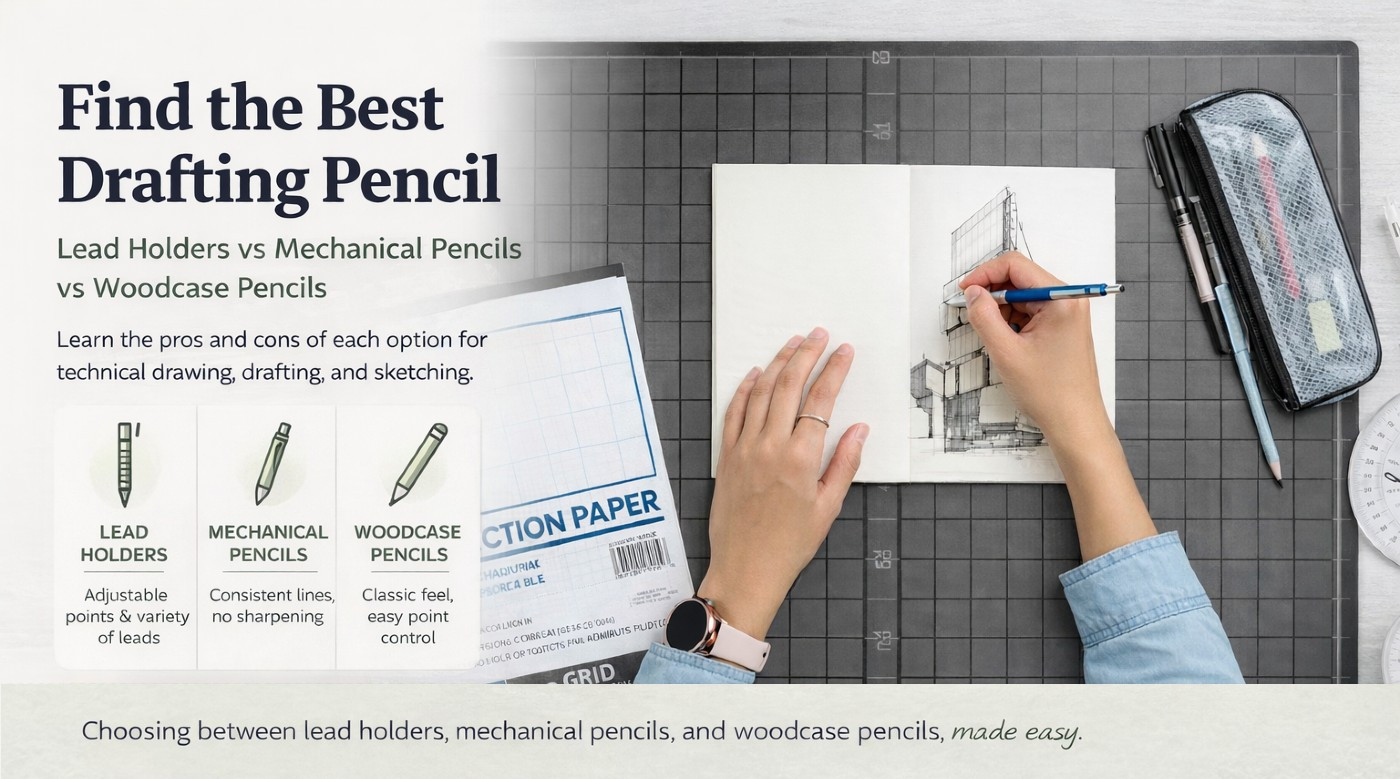
Drafting Pencils Guide: Lead Holders vs Mechanical Pencils vs Woodcase Pencils
Learn the differences between lead holders, mechanical drafting pencils, and woodcase pencils, including lead grades, sharpening, refills, and how to choose the right pencil for drafting, sketching, and technical drawing.
Drafting pencils are essential tools for architects, engineers, designers, artists, and students. Choosing the right one depends on the type of work you do, the line quality you need, and how you prefer your pencil to feel in your hand.
Some users want precise, consistent lines with no sharpening. Others prefer the flexibility of a lead holder or the familiar feel of a traditional woodcase pencil. There is no single best drafting pencil for everyone, which is exactly why this topic deserves a closer look.
This guide breaks down the main types of drafting pencils, how they work, what lead grades mean, and which options may be best for your workflow.
The 3 Main Types of Drafting Pencils
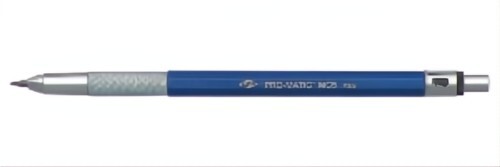
Lead Holders
Lead holders use thick replaceable lead, usually 2mm or larger, and require a separate pointer or sharpener to create a fine point. They combine the refillable advantage of a mechanical pencil with some of the feel and versatility of a traditional pencil.
Best for: technical drawings, shading, sketching, and users who want more control over point shape and line variation.
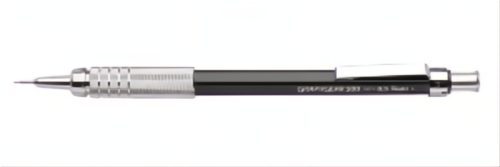
Mechanical Pencils
Mechanical pencils use thinner leads, commonly from 0.3mm to 0.9mm, and do not need sharpening. They are popular for drafting because they offer consistent line width and are easy to refill.
Best for: technical drawings, precise detail work, lettering, and template use.
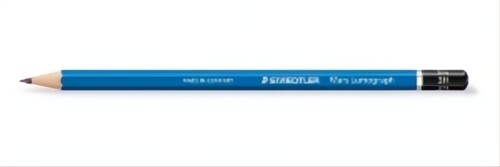
Woodcase Pencils
Woodcase pencils are the classic option. They are affordable, widely available, and easy to sharpen, making them useful for sketching, rough drafts, and general drawing work.
Best for: sketching, preliminary drafting, hand-drawn concepts, and users who prefer a more traditional pencil feel.
Lead Holders: Pros, Cons, and Best Uses
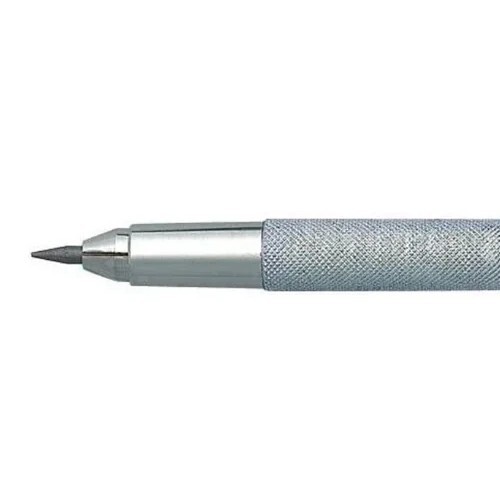
Lead holders are a favorite among users who want flexibility. Because the lead is thicker and can be shaped differently, they work well for both precise drafting and broader sketching or shading.
- Pros: refillable, versatile, supports different lead grades, allows more variation in line character
- Cons: requires sharpening or pointing, less convenient for quick on-the-go use
- Mechanism: a clutch system holds the lead and releases it when the top button is pressed
- Sharpening: rotary lead pointer, handheld lead pointer, or sandpaper pad
Lead holders are especially useful for architects, artists, and designers who want more freedom in how the point is shaped and used.
Mechanical Drafting Pencils: Pros, Cons, and Best Uses
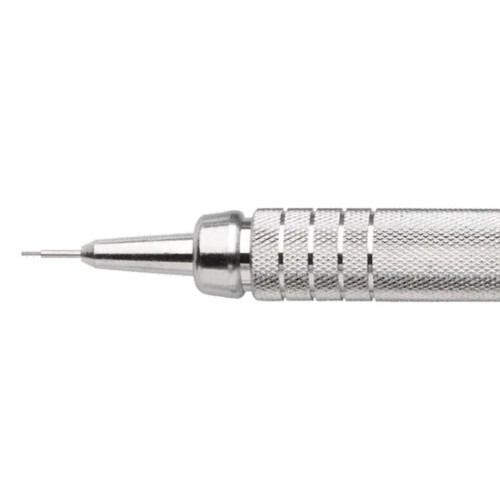
Mechanical pencils are the go-to choice for many drafting professionals because they deliver predictable line width and do not need sharpening. For many users, they are the easiest place to start and the easiest pencil to keep using every day.
- Pros: no sharpening, consistent line width, easy lead replacement, ideal for precision work
- Cons: lead can break more easily, less variation in line thickness
- Mechanism: ratchet or twist system advances the lead
- Typical lead sizes: 0.3mm, 0.5mm, 0.7mm, and 0.9mm
Mechanical pencils are especially good for templates, straightedges, lettering guides, engineering drawings, and detailed technical work. They are the pencil equivalent of showing up prepared.
Woodcase Drafting Pencils: Pros, Cons, and Best Uses
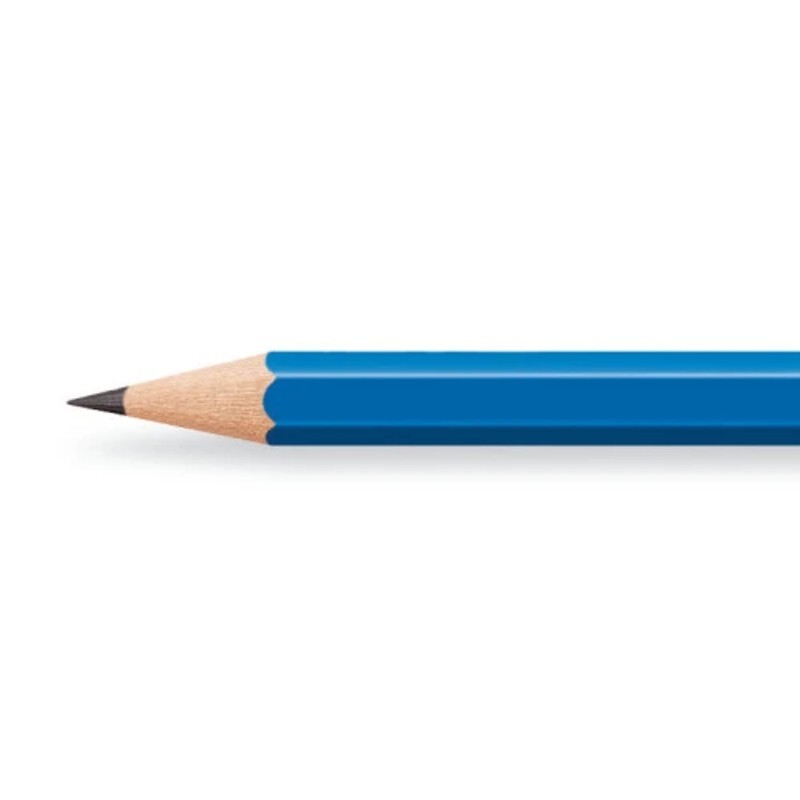
Woodcase pencils remain a solid option for sketching, rough layouts, and users who want a more traditional drawing experience. They are simple, familiar, and easy to use, even if they do need more sharpening along the way.
- Pros: affordable, familiar feel, good line variation, excellent for sketching
- Cons: frequent sharpening, shorter usable life, less convenient for precise technical consistency
- Mechanism: fixed graphite core encased in wood
- Sharpening: manual sharpener, blade, or electric sharpener depending on preference
Woodcase pencils are often favored for conceptual work, artistic shading, freehand sketching, and early-stage design layouts.
Quick Drafting Pencil Comparison
| Feature | Lead Holder | Mechanical Pencil | Woodcase Pencil |
|---|---|---|---|
| Lead Diameter | 2mm or more | 0.3mm to 0.9mm | Varies |
| Sharpening Required | Yes | No | Yes |
| Best For | Versatility, shading, drafting | Precision, technical work | Sketching, freehand work |
| Refillable | Yes | Yes | No |
| Line Weight Control | More flexible | More fixed | Varies by pressure and point |
| Ease of Use | Moderate | Easy | Easy |
Understanding Drafting Pencil Lead Grades
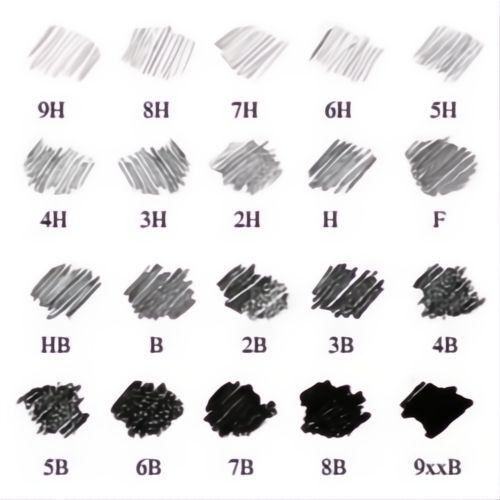
Drafting pencil leads are commonly classified using the HB scale. The grade you choose affects line darkness, hardness, smudging, and how the pencil feels on paper.
- Hard leads (2H to 9H): lighter, crisper lines with less smudging, often used for technical drawing and fine detail
- Medium leads (F, H, HB): balanced performance for general drafting, note-taking, and sketching
- Soft leads (B to 6B): darker, richer lines for shading, expressive drawing, and artistic work
If you are doing detailed technical work, harder leads are often preferred. If you are sketching or shading, softer leads usually feel more natural and create darker marks.
Refills and Drafting Pencil Accessories
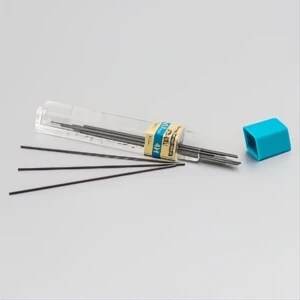
Lead Refills
Choose the correct diameter and hardness grade for your pencil, whether that is 0.5mm, 0.7mm, 2mm, or another size.
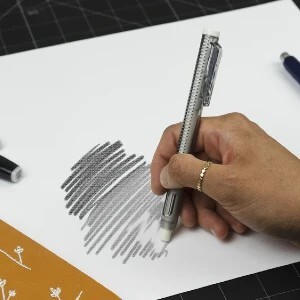
Erasers
Built-in erasers are handy, but separate vinyl or kneaded erasers usually offer better control and cleaner erasing.
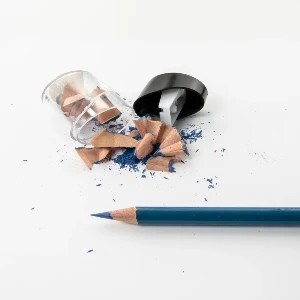
Sharpeners and Lead Pointers
Lead holders need a pointer or sandpaper pad, while woodcase pencils benefit from a quality sharpener that keeps the point clean and usable.
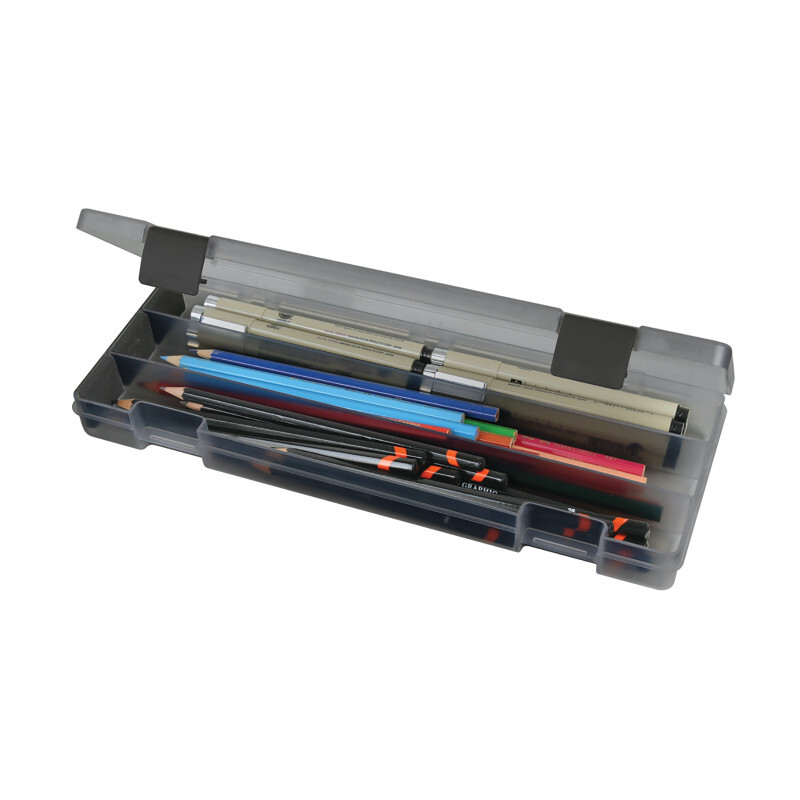
Carrying Cases
A good pencil case helps protect your tools, organize refills, and prevent your favorite pencil from vanishing into the bottom of a bag.
How to Choose the Right Drafting Pencil
Choose a Mechanical Pencil If...
You want consistent line width, easy refills, and a pencil that is ready for precise drafting and technical work with minimal maintenance.
Choose a Lead Holder If...
You want more control over the point, more flexibility in line character, and a refillable tool that works well for both drafting and sketching.
Choose a Woodcase Pencil If...
You prefer a traditional drawing feel, sketch often, or want an affordable pencil for rough drafts, concepts, and expressive work.
Think About Comfort Too
Grip, weight, body material, and balance matter more than people expect, especially if you are using the pencil for long drafting sessions.
Frequently Asked Questions About Drafting Pencils
What is the best drafting pencil for beginners?
A mechanical pencil with 0.5mm HB lead is often a great starting point because it offers consistent line width and does not require sharpening.
Which lead grade is best for technical drawings?
Harder leads such as 2H to 6H are commonly used for technical drawings because they create fine, crisp lines with less smudging.
Should I use a lead holder or a mechanical pencil for drafting?
If you want convenience and consistent line width, a mechanical pencil is often the better choice. If you want more flexibility in the point and line feel, a lead holder may suit you better.
Are woodcase pencils good for drafting?
Yes, especially for sketching and early design work. They are usually less ideal for highly precise technical line work because they need more sharpening and the line width changes as the point wears down.
What makes a premium drafting pencil worth it?
Better ergonomics, stronger construction, smoother mechanisms, and more consistent performance can make premium pencils worthwhile for users who draft regularly.
Tips for Getting Better Results with Drafting Pencils
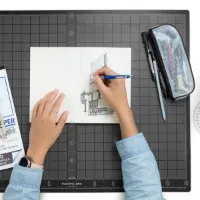
- Experiment with different lead grades to find what works best for your projects
- Keep more than one pencil ready if you use multiple line weights
- Store backup leads and refills nearby
- Use a good sharpener or lead pointer if you rely on lead holders or woodcase pencils
- Pay attention to grip comfort during long drawing sessions
- Choose pencil body materials based on your preferences for weight and durability
A little setup goes a long way. The right pencil is helpful, but the right pencil ready to go is even better.
Shop Drafting Pencils, Leads, and Accessories
Whether you prefer mechanical pencils, lead holders, or traditional woodcase pencils, we carry drafting tools for students, professionals, artists, and technical users.
Browse drafting pencils and lead holders | Shop woodcase pencils
Drafting Tips, Guides & Resources