Why Every Drafting Table Needs a Board Cover (Yes, Every One)

What Is a Drawing Board Cover? Benefits, Uses, Installation Tips, and Care Guide
Learn what a drawing board cover is, why drafters use it, how to install it, and how products often called Vyco or Borco can help protect your drafting table and improve your work surface.
If your drafting table does not have a board cover, you may be missing one of the simplest upgrades you can make to your workspace. A drawing board cover helps protect the surface of your table while creating a smoother, cleaner, more comfortable area for drafting, drawing, and layout work.
Often referred to by names like Vyco or Borco, drawing board covers have long been used by architects, engineers, students, artists, and other professionals who want a better working surface. They are practical, durable, and easy to install. In other words, they do a lot of heavy lifting for a product that mostly just lies there looking useful.
In this guide, we explain what a board cover is, why people use one, how to install it, and how to keep it looking and performing its best.
What Is a Drawing Board Cover?
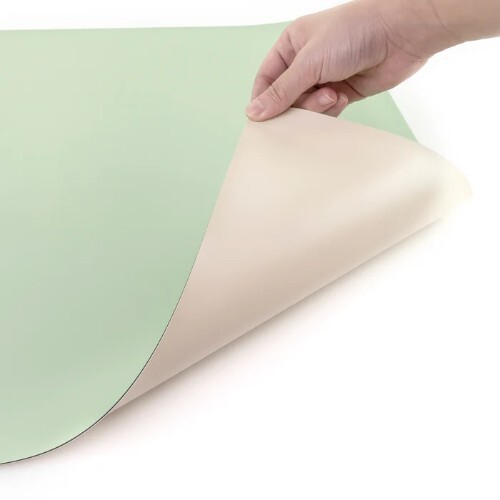
A drawing board cover is a flexible vinyl surface that is placed over a drafting table or drawing board to protect the work surface and improve drafting performance. It helps create a smooth, low-glare working area that is easier on paper, tools, and the underlying table.
Board covers are typically sold in sheets or rolls and can be trimmed to fit your drafting table. They are often associated with familiar product names such as Vyco, Borco, and similar vinyl drawing surface covers. Think of them as a protective layer for the table you rely on every day, minus the drama of replacing the whole top.
Common names for drawing board covers:
- Vyco
- Borco
- Vymark
- Vinyl drawing board cover
- Drafting table cover
- That Green Stuff Everyone Uses
Why Use a Board Cover?
Protects Your Drafting Table
A board cover helps shield the table from ink, pencil pressure, dents, scratches, and everyday wear, which can extend the life of the work surface underneath.
Creates a Smoother Surface
The slightly cushioned vinyl surface can make drafting feel smoother and more controlled, helping rulers, T-squares, and parallel bars move more easily.
Improves Drawing Comfort
A quality board cover can make line work feel cleaner and more consistent while providing a more comfortable surface for long drafting sessions.
Reduces Glare
Many board covers have a matte, low-glare finish that helps reduce reflections and eye strain in bright work areas. Your eyes will appreciate the break.
Easy to Clean
Graphite dust, light ink marks, and everyday messes are generally easier to wipe away from a vinyl cover than from an unfinished or worn table surface.
Simple Upgrade
It is one of the easiest ways to refresh an older drafting table without replacing the entire board. Small change, surprisingly big payoff.
Who Uses Drawing Board Covers?
Drawing board covers are useful for far more than traditional drafting. Anyone who wants a smoother, protected work surface may benefit from one.
Common users include:
- Architects
- Engineers
- Design students
- Artists and illustrators
- Calligraphers
- Model makers
- Sign makers
- Sewists and quilters
- Paper crafters and scrapbookers
In other words, if you work on a table and want a better surface, a board cover may be worth considering. Some people discover them through drafting. Others discover them after one too many scratches, cuts, or mystery marks.
How to Install a Drawing Board Cover
Installing a drawing board cover is usually straightforward. You do not need special tools or advanced skills, but taking your time will help you get a cleaner result.
What You Will Need
- Drawing board cover
- Utility knife
- Straightedge
- 1 inch double-sided tape
- Clean cloth
Before You Start
- Clean the table thoroughly
- Check for dents or rough spots
- Let the cover relax and flatten before installation
Tape Tip
Use thin double-sided tape rather than foam tape. Foam tape can create bumps under the cover, which can affect drafting performance. Bumps are the enemy here.
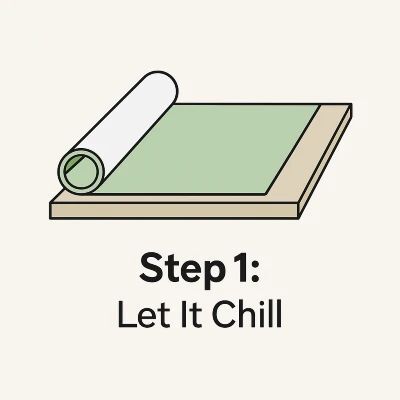
Step 1: Let the Cover Flatten
Unroll the drawing board cover and let it lay flat for at least 24 hours at room temperature. It has been rolled up long enough. This helps reduce curl from shipping and makes installation easier.
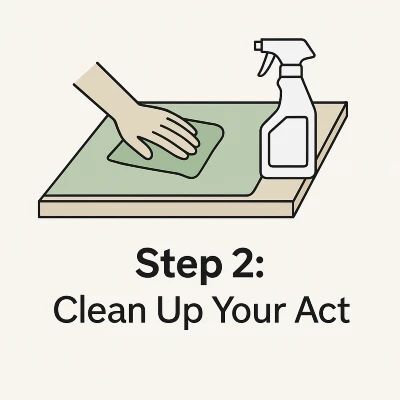
Step 2: Clean the Work Surface
Remove dust, crumbs, and debris from the table. If the surface has dents or imperfections, fill and sand them if needed so they do not show through the cover. Whatever is underneath tends to announce itself later.
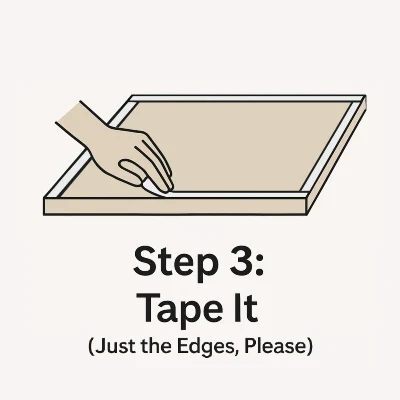
Step 3: Apply the Tape
Run 1 inch double-sided tape along the top edge of the table. For added hold, you can also apply tape along the other edges. Avoid placing tape in the middle of the table unless you enjoy creating unnecessary lumps.
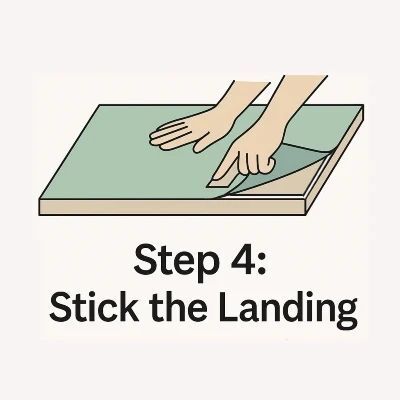
Step 4: Position and Smooth the Cover
Place the cover where you want it, aligned with the table edges. Peel the tape liner as needed and smooth the cover outward from the center to help avoid bubbles and shifting. Slow and steady wins this race.
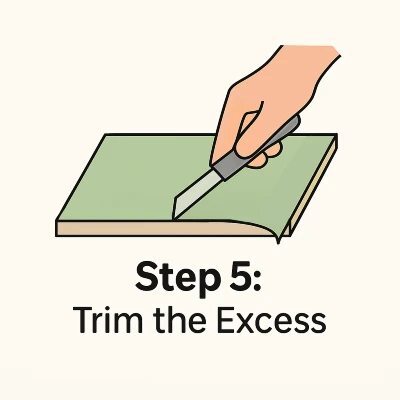
Step 5: Trim the Excess
Use a utility knife and straightedge to trim the remaining edges for a clean fit. Once finished, your table will have a fresh new working surface and look far more put together.
Quick tip: Do not use heat to flatten the cover. Letting it relax naturally at room temperature is usually the safest approach.
Can You Use a Board Cover with Other Drafting Tools?
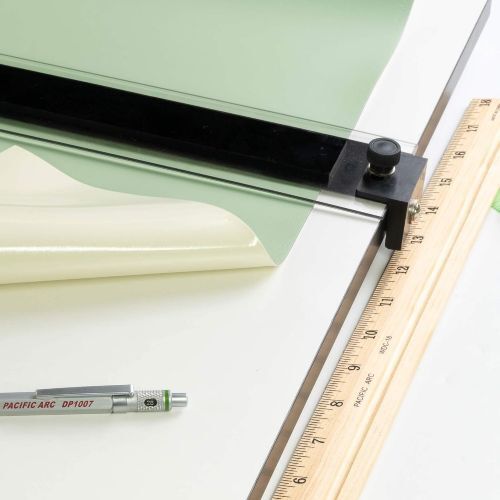
Yes. A drawing board cover is designed to work with many of the tools commonly used on drafting tables.
- Parallel bars can glide smoothly across the surface
- T-squares can continue to work normally
- Drafting machines can be used when the cover is trimmed properly around mounts
- Paper and media often sit more comfortably on the softer vinyl surface
Important: Do not use the board cover as a cutting mat. Repeated cutting will damage the surface, and that is a heartbreak easily avoided.
How to Care for a Drawing Board Cover
Clean Gently
Wipe the surface with mild soap and water. Avoid harsh cleaners, bleach, or strong solvents.
Avoid Direct Cutting
Use a separate cutting mat for knives and blades to prevent permanent damage.
Let It Settle
If the cover arrives curled, give it time to flatten fully before judging the final fit. Patience pays off here.
Replace When Needed
If the surface becomes heavily worn, cut up, or uneven, replacing the cover can quickly restore the table.
Why a Drawing Board Cover Is Worth It
A drawing board cover is a simple upgrade that can make a real difference in how your drafting table looks and performs. It helps protect the table, improves surface feel, reduces glare, and supports smoother drafting work.
Whether you are sketching, drafting, tracing, or laying out technical drawings, a quality board cover can help create a cleaner and more professional workspace. Not flashy, maybe, but extremely useful.
Shop Drawing Board Covers
Give your drafting table a smoother, cleaner, better-protected work surface with a quality vinyl board cover.
Drafting Tips, Guides & Resources